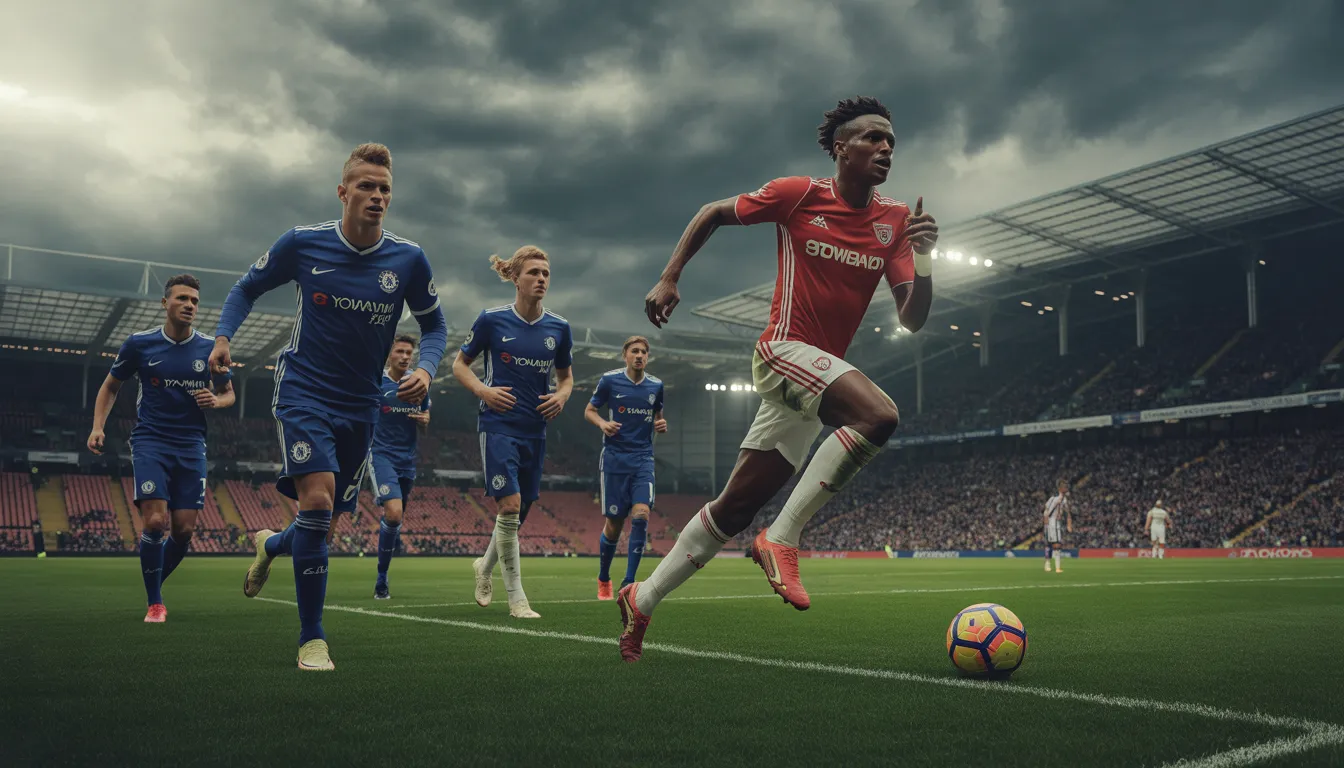
No Deal: Chelsea Officially Withdraws Interest in Semenyo 1.0 Introduction: Cutting through the noise In a transfer market full of 'what-ifs', we are here to give you the final take…
One simple phrase reveals everything about Sean Dyche's mindset at Nottingham Forest. Dyche The world of Premier League management is a pressure cooker. When a new manager starts at Nottingham…
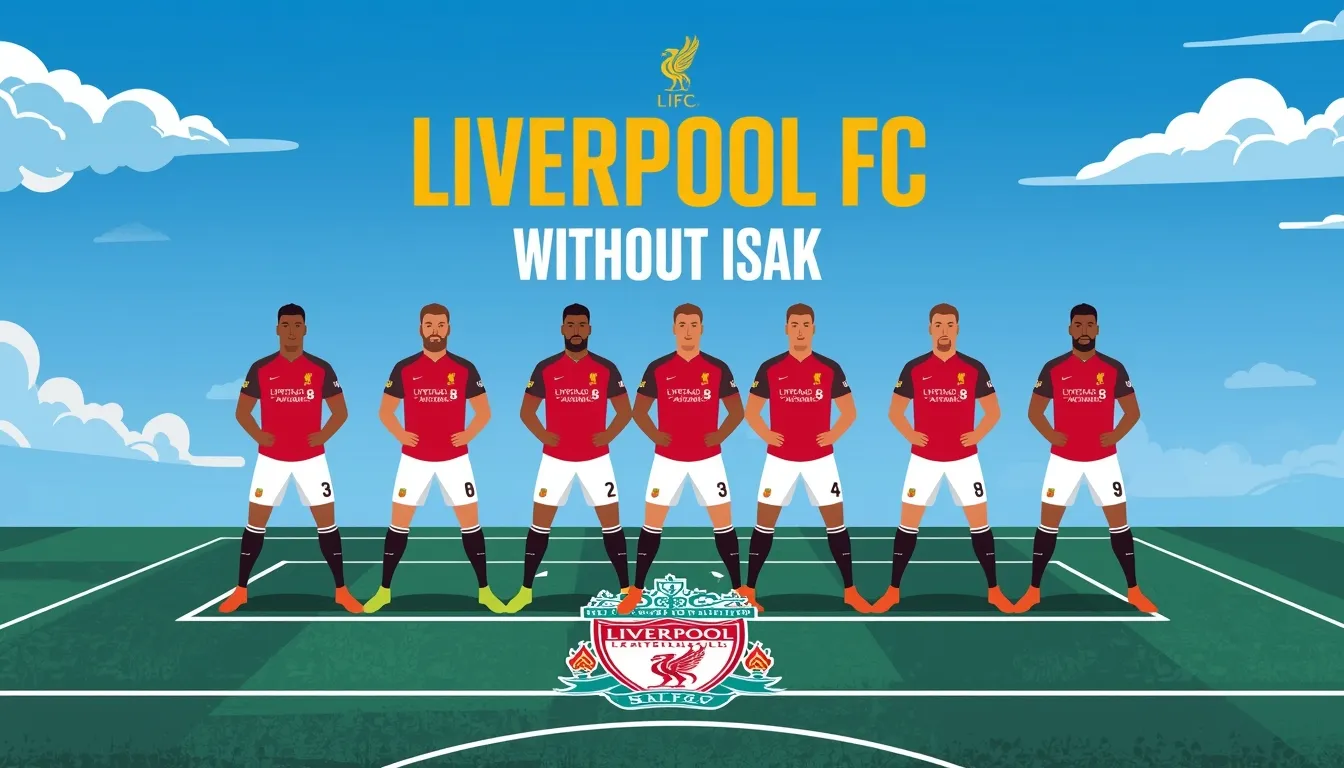
One Broken Leg, One Key Question: Isak's Injury Puts Liverpool's Season on Edge In modern football, a single injury can unravel a season's worth of planning. For Liverpool, that moment…
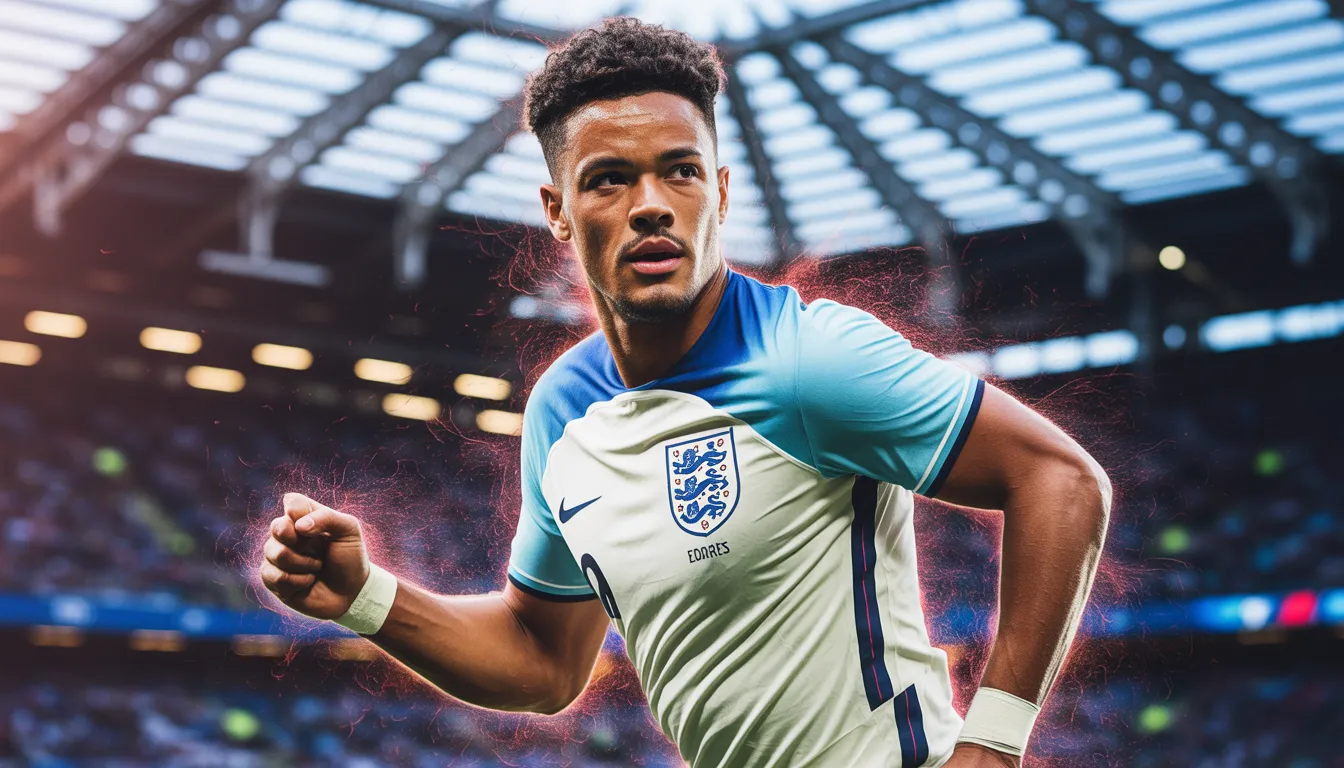
England's new 'Gazza'? The undroppable question facing Morgan Rogers. Introduction: A New Contender for England's Crown People in England are obsessed with finding a creative maverick. They look for the…
More Than a Uniform: Rhys Bennett's Story on Grief, Strength, and Football. Rhys Bennett We often see professional athletes as figures carved from a different stone. We view them as…
The Aborted Australian Serie A Exhibition. The planned AC Milan vs. Como match in Australia is cancelled. Plans were underway to stage a Serie A clash on Australian soil, featuring…
Sports are important for many reasons. They boost physical health, support mental well-being, and aid social growth. Plus, they can bring economic benefits to communities and nations. Sports are essential not for athletes, but for a thriving society as a whole. Home
1. Physical Health & Longevity 🏃
1. Physical Health & Longevity
The most obvious benefit is the profound impact on the body. Regular physical activity, especially through sports, is critical for long-term health.
1. Copy this meta-tag:
Disease Prevention: It significantly lowers the risk of chronic diseases. This includes cardiovascular disease, type 2 diabetes, high blood pressure, and various cancers.
Weight Management: Sports help control weight. They burn calories and cut body fat. This fights the risks of obesity.Musculoskeletal Strength: Joining in activities builds healthy bones,
strong muscles, and flexible joints. This helps lower the risk of osteoporosis and falls as we age.
2. Mental Well-being & Cognitive Function 🧠| Home
. Mental Well-being
Sports act as a strong natural antidepressant and stress reliever. This is all thanks to the mind-body connection.
Stress and Anxiety Reduction: Exercise releases endorphins, the body’s “feel-good” hormones. It boosts your mood and lowers stress hormones like cortisol. It also helps with anxiety and depression.
Better Sleep: Regular exercise helps establish sleep patterns. This leads to deeper, more restful sleep.
Exercise boosts blood flow to the brain. This helps improve concentration, memory, and cognitive function. As a result, it can enhance academic and professional performance. home
3. Social and Personal Development 🤝
Social and Personal Development
Sports offer a vital space for learning life skills and forming social connections.
Teamwork and Communication: Team sports help people learn to collaborate and communicate well. These skills are useful in many areas of life.
Discipline and Resilience: Athletes learn the value of dedication, goal-setting, and perseverance. They learn to handle failure, manage their expectations, and recover from setbacks. This builds resilience.
Social Inclusion: Sports clubs and teams unite people from different backgrounds. They create a sense of community, belonging, and mutual respect.
4. Economic & Societal Impact 🌍
Economic & Societal Impact
At a broader level, the sports industry is a major economic and cultural force.
Economic Growth: The sports industry is a huge global business. It creates millions of jobs for athletes, coaches, journalists, and event managers. It also boosts tourism and brings in money through media rights and sponsorships.
Public Health Savings: Sports help create a healthier population. This, in turn, lowers the strain on healthcare systems by preventing chronic illnesses.
National Unity: Big events like the Olympics and World Cups highlight national pride. They unite citizens in a shared celebration.